
Retirement Insights
Is Delayed Retirement Impacting Your Organization's Bottom Line?
October 8, 2026
With uncertain economic times, inflation, soaring rates and record credit card debt, employee financial stress is on the rise. Do your employees struggle to pay off their student loans or credit card debt? Are they achieving short-term financial goals, such as saving for an emergency appliance or car repair?
Research continues to show that Americans are struggling with their personal finances:

feel stressed about their
financial situation1
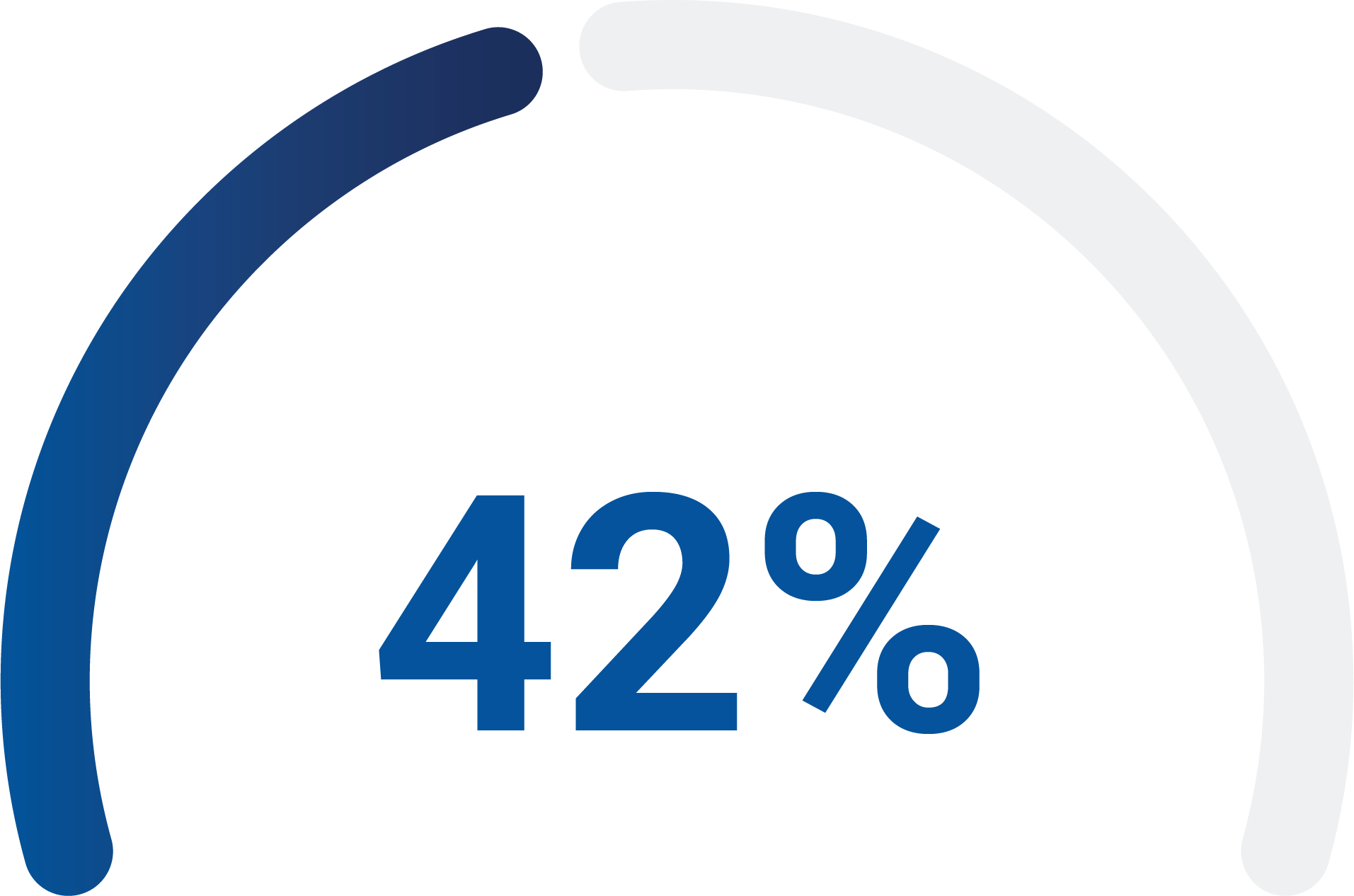
are on track to maintain their
current lifestyle in retirement2
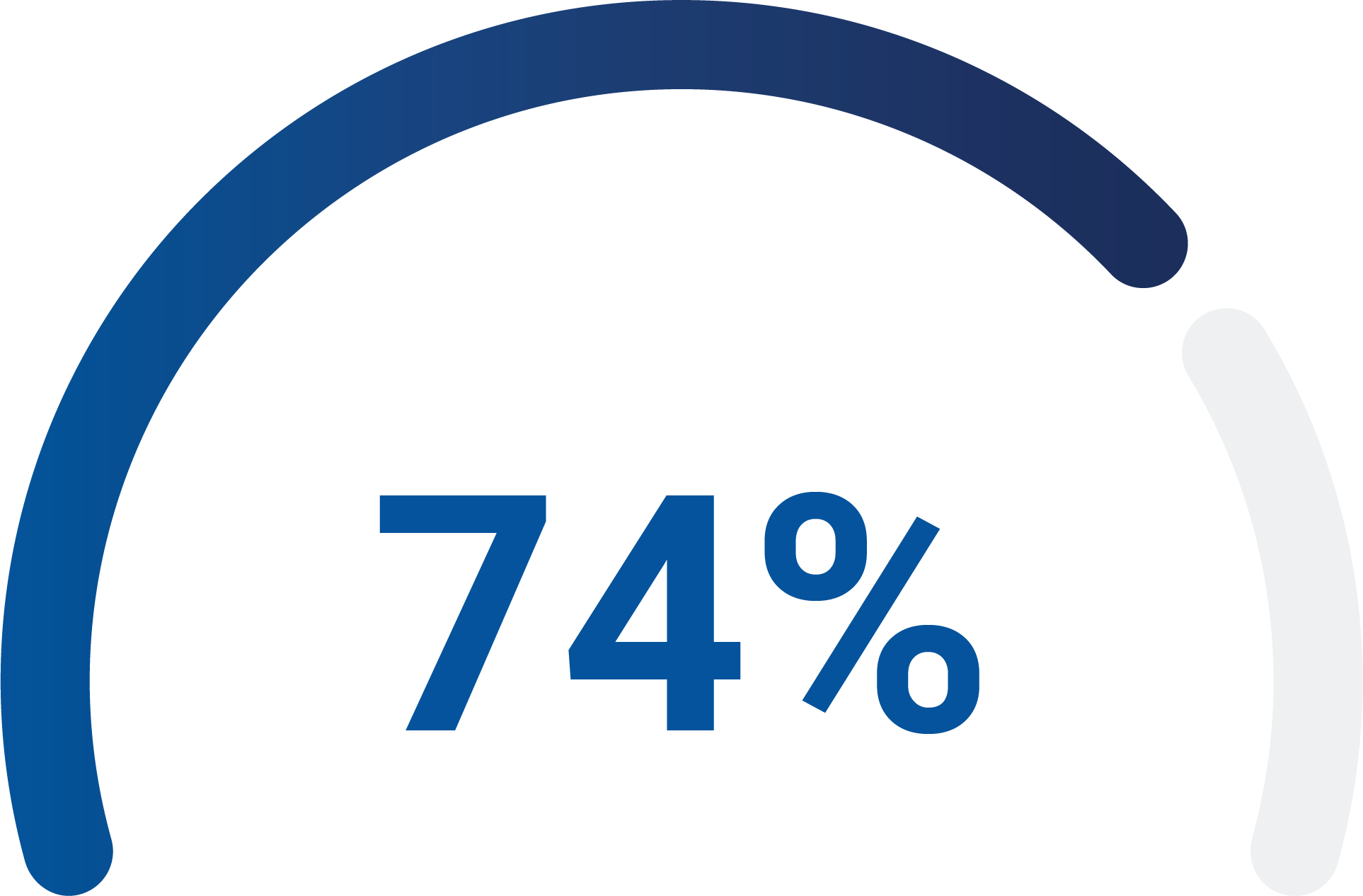
plan to continue working
in retirement3
|
Americans are living longer than ever before — about 30 years longer, on average, than a century ago4 — so the risk of running out of money in retirement is very real. Employers are beginning to understand that the workforce’s financial wellness, or the lack thereof, has a direct impact on the organization’s productivity and bottom line. |
When Workers Are Financially Stressed, Everyone Pays the Price
|
EMPLOYEES |
EMPLOYERS |
||
78% |
live paycheck to paycheck5 |
56% |
of employees spend time on personal finances while at work, decreasing productivity6 |
22% |
have dipped into emergency savings6 |
40% |
of employees expect to postpone retirement, which impacts their employer’s bottom line9 |
1/3 |
have $100 or less in a savings account7 |
2X |
financially stressed employees are two times more likely to look for a job elsewhere6 |
37% |
have tapped into retirement savings prior |
50% |
replacement cost to an employer is approximately 50% of the employee’s salary10 |
Employee Financial Well-Being Matters to Your Business
Many organizations don’t know how financially prepared their employees are for retirement, or the potential impact on bottom-line results. Employees who are unable to reach short-term financial goals are probably not focused on long-term financial objectives, such as retiring at their goal retirement age. A workforce unprepared to retire can impact a business in a variety of ways, including:
 |
+ |
|
Higher labor costs & more paid time off |
 |
+ |
|
Increased healthcare premiums |
 |
= |
|
Lower productivity |
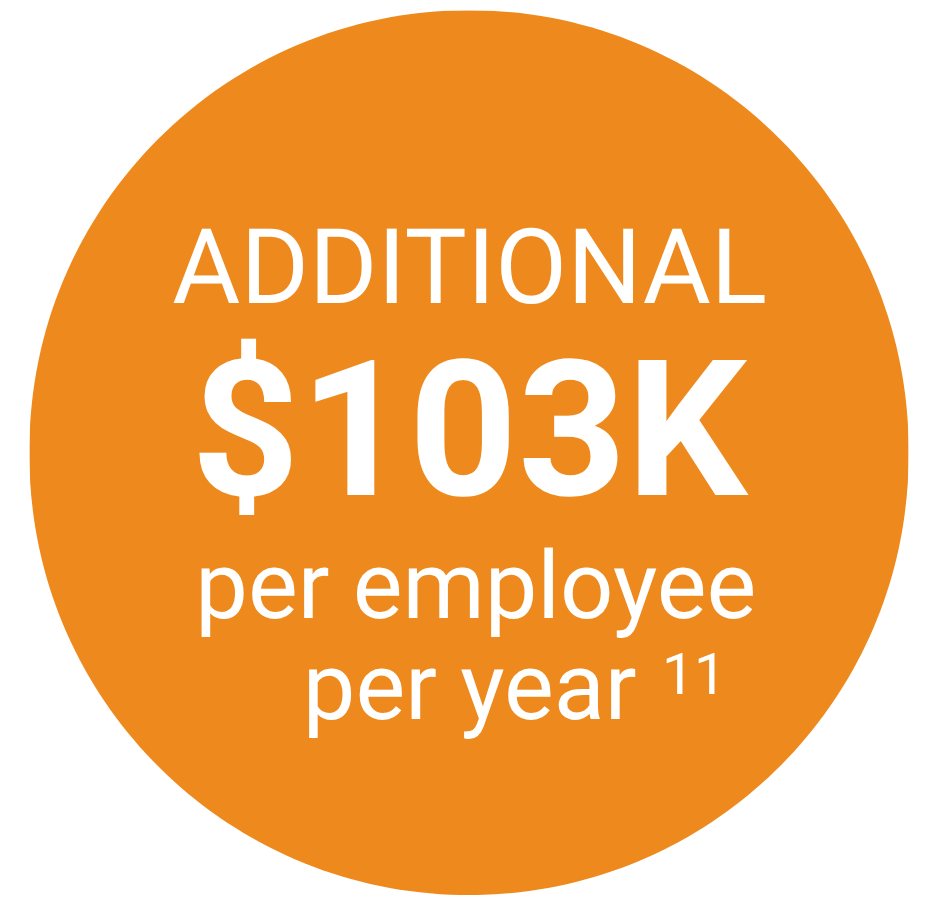
Delayed retirement can have a significant financial impact on your organization.
Long-Term Costs of Delayed Retirement to Employers
If we take the additional cost of $103,000 per employee per year, we can illustrate the potential long-term impact on your organization. The chart below shows significant expenses whether you have a small or large number of employees.
|
Total additonal cost |
1 year |
3 years |
5 years |
||
| 100-person company with 3 employees delaying retirement |
$309K | $927K | $1.5M | ||
| 500-person company with 15 employees delaying retirement |
$1.5M | $4.6M | $7.7M | ||
| 1,000-person company with 30 employees delaying retirement |
$3M | $9.3M | $15.5M | ||
| 10,000-person company with 300 employees delaying retirement |
$30.9M | $92.7M | $154.5M | ||
Given the implications, employers feel an even greater responsibility for their employees’ retirement readiness:
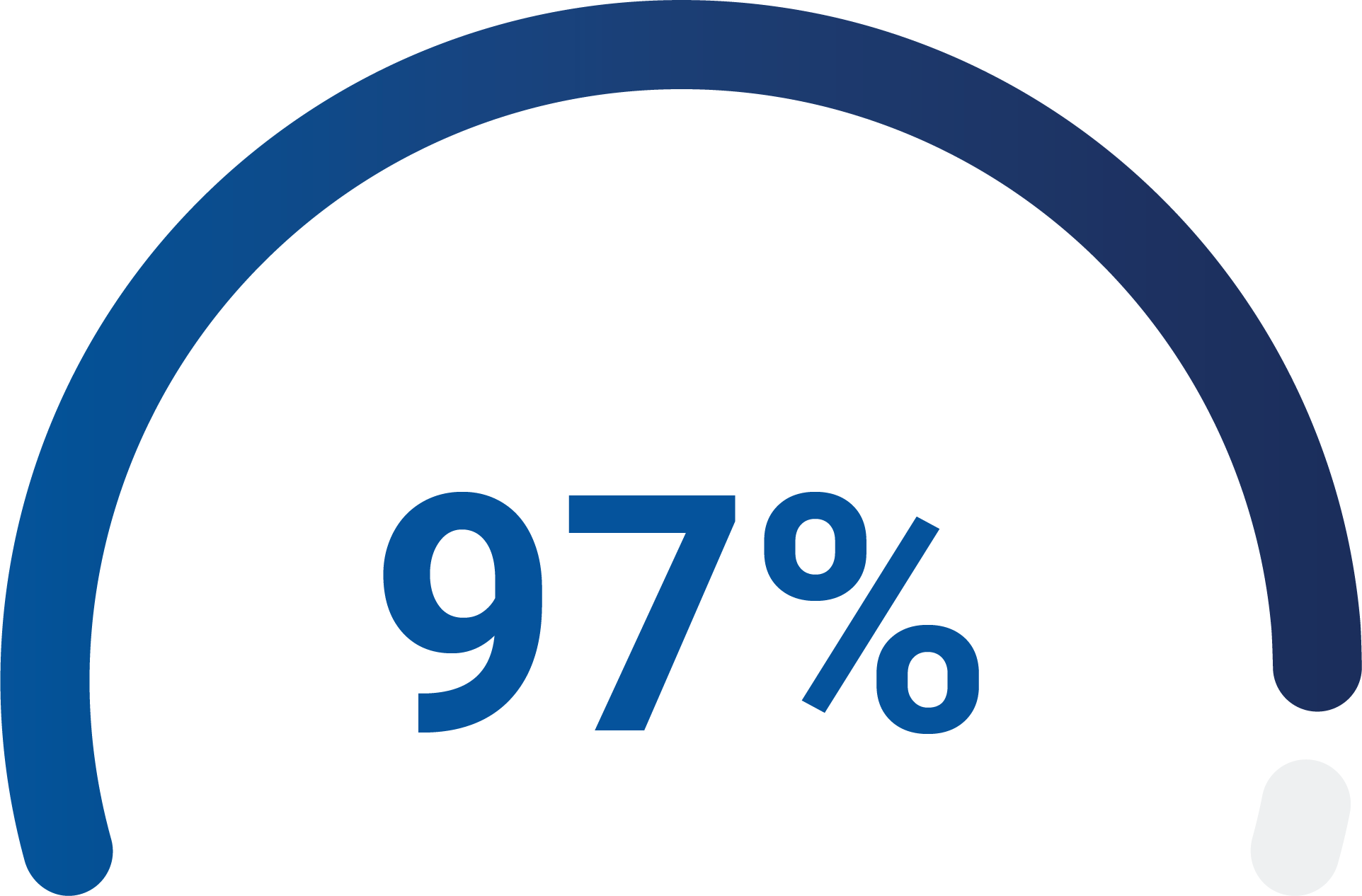 |
feel responsible for employee financial wellness, with 62% feeling extremely responsible12 |
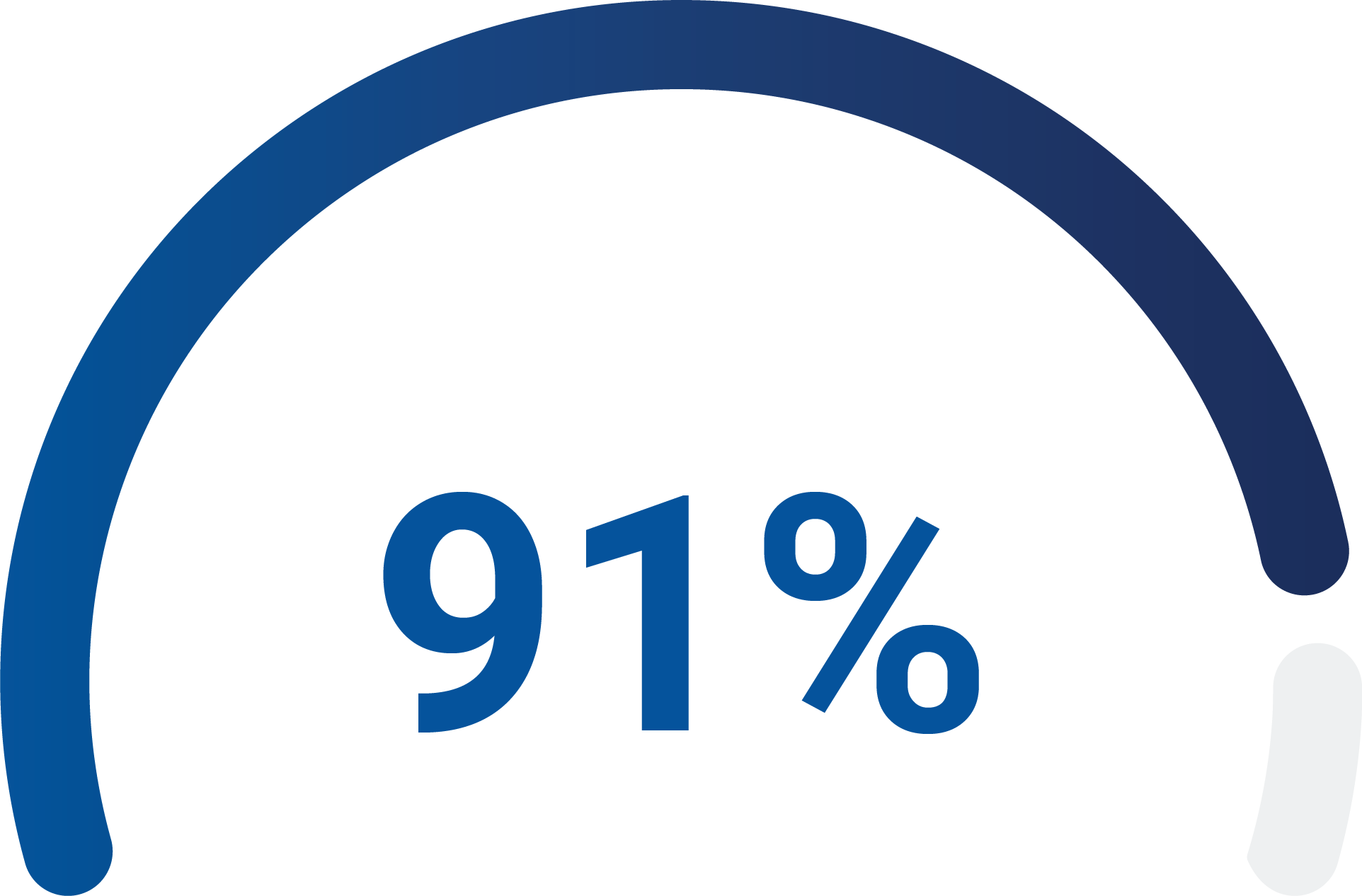 |
see higher employee satisfaction when offering resources to manage overall wellbeing12 |
Employer Support Can Help Employees
Achieving financial wellness and retirement readiness starts with the employer, as it’s dependent on workplace benefit offerings. Employers can help improve employees’ retirement readiness by investing in programs that promote financial education and prepare them for a financially secure future. Learn more about the components of a comprehensive strategy to promote retirement readiness.
The Hidden Cost of Delayed Retirement: How Employers Can Mitigate Risks
We had a great webinar discussing the complexities of the current retirement landscape, the impacts of delayed retirement and actionable strategies employers can use to reduce costs.
Check out the recording to learn how you can optimize outcomes for your workforce.
How USI Can Help
USI is ready to work with you to evaluate your organization’s retirement plan and implement strategies to better prepare your employees for retirement and help offset financial impact. We can help you:
- Enhance plan design using our proprietary benchmarking analysis
- Evaluate best fit and fees with a recordkeeper provider search
- Provide ancillary retirement benefits like a Nonqualified Deferred Compensation (NQDC), Cash Balance or other hybrid plan designs that can help highly compensated employees defer significantly more compensation for retirement savings and tax deferral
- Implement an employee education program to improve financial wellness
For more information on how we can help, please contact your local USI retirement representative, visit our Contact Us page or reach out to us directly at information@usicg.com.

1 PwC, 2026 Employee Financial Wellness Survey
2 The Vanguard Retirement Outlook, 2025
3 Employee Benefit Research Institute, 2026 Retirement Confidence Survey
4 Centers for Disease Control and Prevention: The average life expectancy in the U.S. is 79 years old in 2024 (compared to 50 years old in 1900)
5 Payroll.org, 2025 Getting Paid In America Survey
6 PwC, Employee Financial Wellness Survey, 2023
7 GOBankingRates, Annual Savings Survey, 2023
8 Transamerica Center for Retirement Studies, 2025
9 Nationwide Retirement Institute’s In-Plan Lifetime Income Survey, 2022
10 G&A Partners, Calculating the Cost of Employee Turnover, 2024
11 Principal, Cost of Retirement Analysis, September 2025
12 Bank of America, Workplace Benefits Report, 2022
This information is provided solely for educational purposes and is not to be construed as investment, legal or tax advice. Prior to acting on this information, we recommend that you seek independent advice specific to your situation from a qualified investment/legal/tax professional. | 1024.R0606.99011
INSIGHTS BY TOPIC
Not receiving our newsletter?
Stay up to date with retirement plan updates and insights by subscribing to our email list.